Is Container Living the Future of Sustainable Housing?
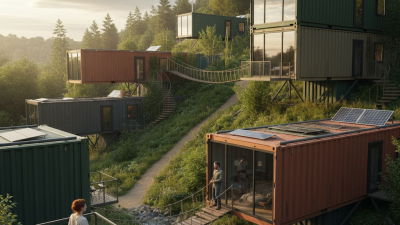
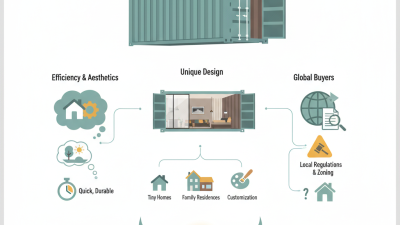
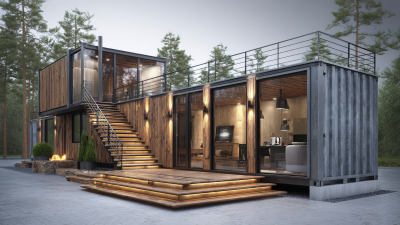
As the world grapples with environmental challenges, "Container Living" emerges as a compelling solution for sustainable housing. Renowned architect Tom O'Brien emphasizes its potential, stating, "Container homes offer a flexible and eco-friendly alternative to traditional housing." This innovative housing option utilizes repurposed shipping containers, reducing waste and minimizing the carbon footprint.
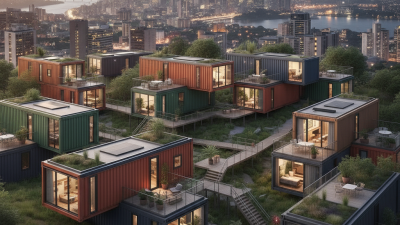
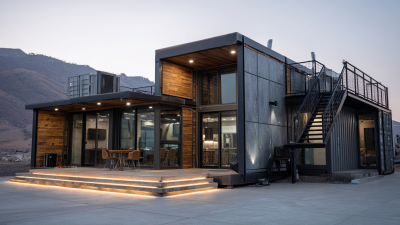
Container Living not only addresses housing shortages but also promotes a minimalist lifestyle. These homes can be custom-designed to meet diverse needs, making them suitable for urban and rural settings alike. They are often equipped with modern amenities, showcasing that sustainability does not compromise comfort.
However, this trend does raise questions. Are container homes truly accessible for everyone? The initial costs, zoning laws, and community acceptance can be obstacles. Reflecting on these challenges can lead to a deeper understanding of the future of housing. The journey of Container Living is still unfolding, and its true impact on sustainable housing remains to be fully explored.
The Concept of Container Living in Sustainable Housing
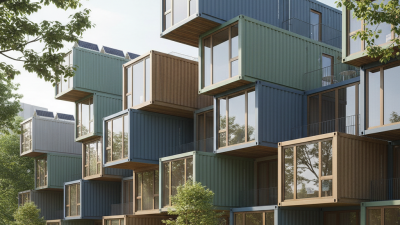
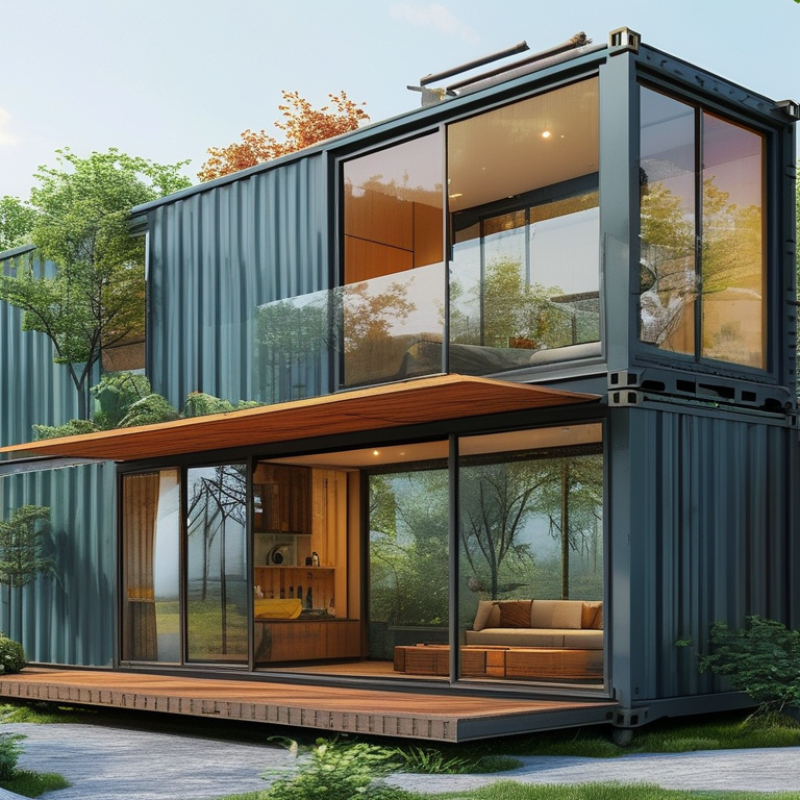
Container living has emerged as an innovative solution in the realm of sustainable housing. By repurposing shipping containers, this concept takes advantage of available materials, significantly reducing waste. Each container brings unique characteristics; they can be stacked or combined to create various layouts. This flexibility allows architects to design homes that adapt to different environments.
However, there are challenges to consider. Insulation is crucial for temperature control, yet it may not always be sufficient. Many container homes require additional modifications for comfort. Additionally, some communities have zoning regulations that restrict such structures. These barriers need to be addressed for container living to thrive as a mainstream option.
The cost-effectiveness of container homes is appealing, but unexpected expenses can surface during renovations. Buyers should prepare for unforeseen issues, such as structural integrity or plumbing. Despite these imperfections, container living offers a fresh perspective on housing. It encourages sustainable practices while promoting efficient use of resources. The journey of container living invites further exploration and discussion on its viability in creating eco-friendly communities.
Advantages of Container Homes for Environmental Sustainability
Container homes offer innovative solutions for sustainable living. According to the World Economic Forum, building with shipping containers can reduce construction waste by up to 90%. This remarkable statistic underlines the potential of container homes to address environmental concerns. With traditional construction methods contributing significantly to landfill waste, using containers repurposes materials efficiently.
Moreover, container homes offer energy efficiency that aligns with sustainability goals. A report from the National Renewable Energy Laboratory indicates that well-designed container homes can utilize renewable energy sources more effectively. This can result in a reduction of energy costs for residents. However, these homes often require additional insulation to combat thermal issues. It’s crucial to address this to maximize their potential.
Accessibility is another challenge. While container homes can be cost-effective, initial investments may be high. A study by the International Housing Coalition shows that the average container home can start at $10,000 but can vary widely. This inconsistency can deter some potential homeowners. The balance between affordability and sustainability needs continuous inspection. Understanding these complexities will shape the future of container living.
Challenges and Limitations of Container Living Solutions
Container living is gaining popularity as a solution for sustainable housing. However, it does come with challenges and limitations that must be considered. One common issue is insulation. While containers are durable, they can become hot in summer and cold in winter. Proper insulation is essential for comfort.
Another challenge is space. Container homes often offer limited square footage. This can restrict design choices and limit functionality for families. Creative design solutions are needed to maximize limited space effectively.
Tips: Think vertically. Use shelves and multi-functional furniture to save space. Also, consider building a larger modular unit if budget allows.
Additionally, zoning regulations can pose obstacles. Not all areas permit container homes. Research local laws before starting your project. Always consult with professionals for guidance.
Finally, there’s the issue of cost. While containers can be affordable, renovation and customization can add up. Always plan your budget carefully. Container living has potential, but it requires thoughtful planning and execution.
Comparative Analysis: Container Homes vs. Traditional Housing
Container living is gaining traction in sustainable housing discussions. Container homes are often seen as a more affordable and eco-friendly option. They can be quickly assembled and designed for efficiency. However, traditional homes still hold significant benefits. They often provide better insulation and structural integrity, especially in extreme weather.
To make the most of container housing, consider design flexibility. You can customize layouts easily. Think about incorporating energy-efficient appliances and solar panels. This can lead to long-term savings and a lower carbon footprint. However, be aware of zoning laws that might restrict container homes in certain areas.
While container homes can be innovative, they also come with challenges. Finding a reliable source for construction materials is crucial. Not all containers are weatherproof. Therefore, thorough inspections are essential. Each option has strengths and weaknesses. Weighing them against your lifestyle needs is important for making an informed decision.
Future Trends in Container Living and Sustainable Urban Development
Container living is gaining traction as a viable alternative for sustainable urban development. This trend addresses housing shortages and creates eco-friendly spaces. Containers are often recycled, reducing waste and cutting down on resource consumption. They can be stacked or arranged uniquely, promoting creative architectural solutions.
However, the implementation of container living isn’t without challenges. Many urban areas have strict zoning laws that complicate installation. Insulation can also be a concern, as containers may not regulate temperature well. Residents in container homes report varying experiences, with some enjoying minimalist lifestyles while others find the space restrictive.
Sustainability in container living also raises questions. Not all designs prioritize renewable energy or efficient water use. Many projects aim for eco-friendliness but miss important details. Thoughtful planning and community engagement are crucial to ensure these homes truly fit into the urban landscape.