Buying a Capsule Home in 2026 can offer a compact path to modern, flexible living. For global buyers, the process involves more than choosing an attractive model online. A well-designed unit may include insulated walls, efficient appliances, smart controls, and factory-installed plumbing. Yet photographs cannot reveal every construction detail. They may hide uneven flooring, limited storage, or difficult maintenance access.
This guide explains how to compare manufacturers, verify specifications, and estimate the complete purchase cost. Buyers should examine material certificates, energy performance data, structural documentation, warranty terms, and after-sales support. Shipping distance matters. A home leaving a factory in Europe may require different transport planning than one delivered to Southeast Asia or North America. Local professionals should also confirm land use, utility connections, foundation requirements, fire safety, and installation conditions before payment.
The cheapest quote is not always the safest choice. Not even close. A reliable supplier should communicate clearly, provide recent project evidence, and explain which features are optional. Independent inspections can identify problems before delivery, although they add time and expense. Currency changes, port delays, taxes, and site preparation can also alter the final budget. Some buyers may overestimate how easily a capsule design fits their climate or lifestyle. That assumption deserves careful review. By combining manufacturer experience, qualified technical advice, and documented product evidence, global buyers can make a more informed Capsule Home decision in 2026.
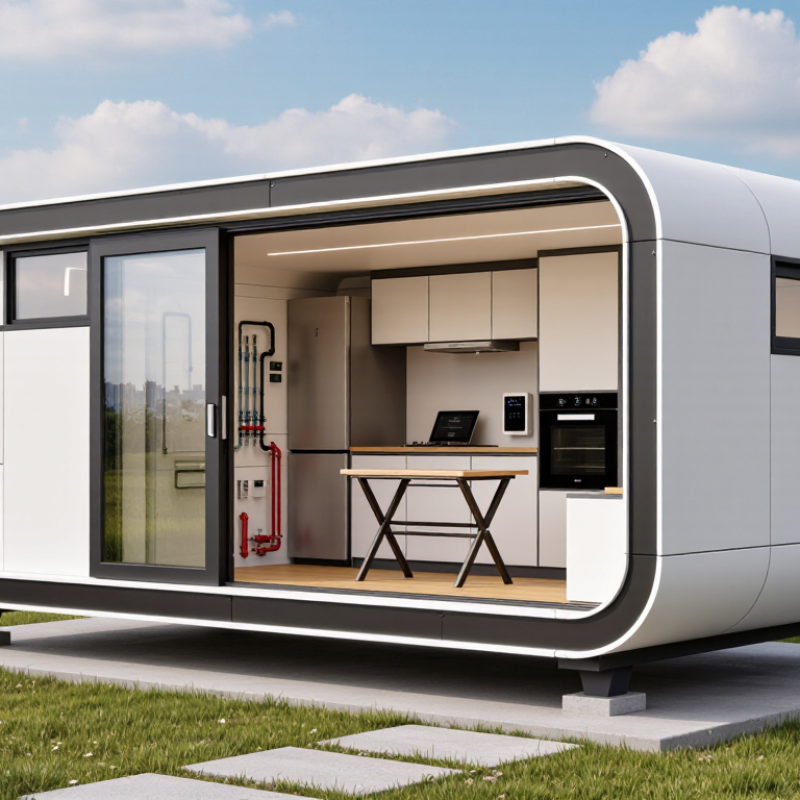
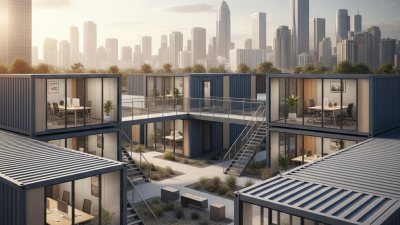
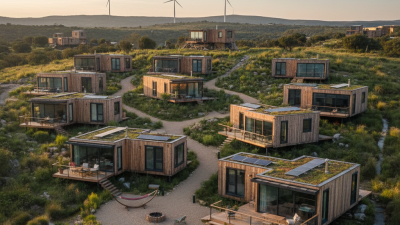
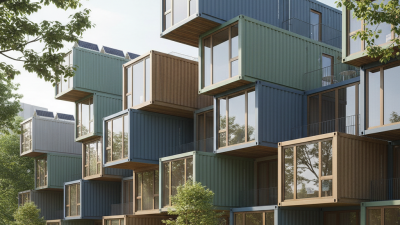
Capsule homes now include fixed-site pods, towable units, and stackable modular rooms. Each type suits a different living plan. Fixed-site capsules usually offer stronger insulation and larger utility connections. Towable models may provide flexibility, but road width, weight limits, and permits require careful checking. Stackable designs can expand later, although structural engineering becomes more important.
In my experience, buyers often compare appearance before performance. That is a costly mistake. Study the 2026 modular design drawings, wall thickness, ventilation route, window glazing, and fire-resistant materials. A home in a cold region needs different insulation from one in a humid coastal area. Ask for energy data, factory quality records, installation tolerances, and a written warranty. Also confirm whether the unit meets local building, electrical, plumbing, and transport requirements. Rules differ widely between countries and even between cities.
Tips: Measure the delivery route, not only the floor plan. Check bridges, gates, turning space, and crane access. Request a full cost sheet covering foundations, shipping, connections, taxes, and site preparation. Visit a completed unit if possible. Photos can hide noise, condensation, or awkward storage. I would also keep a repair budget, because modular systems are efficient, but never completely maintenance-free.
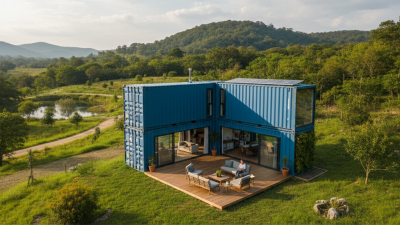
A realistic capsule-home budget starts with regional construction benchmarks, not online sticker prices. In 2026, basic modular construction may range from 800 to 2,500 USD per square metre. Fully finished units can exceed 4,000 USD per square metre. These figures vary with insulation, interior fittings, engineering, and local labour costs.
Compare at least three written quotations from qualified modular contractors. Ask each quotation to separate the home shell, foundation, transport, crane hire, installation, utility connections, permits, and taxes. A 30-square-metre unit may appear affordable at 60,000 USD, yet site preparation could add 15,000 USD. Remote delivery may cost even more. Keep these costs visible.
Set aside 10 to 20 percent for design changes and unexpected ground conditions. Coastal sites may require stronger corrosion protection. Cold climates need better insulation and heating systems. Check currency movements when purchasing across borders. Payment schedules should match verified production stages, not promises alone.
The spreadsheet may still be too optimistic. That is normal. Recheck every allowance with a local surveyor or building consultant before signing. A lower purchase price can hide higher lifetime costs, especially when repairs require imported parts or specialist labour. Keep a clear budget protects flexibility when the capsule home changes during planning.
Buying a capsule home in 2026 should begin with delivery risk, not glossy renderings. McKinsey & Company’s 2019 modular-construction analysis reports schedules can be 20–50% faster than conventional building. That benchmark matters for overseas buyers facing labor shortages or temporary accommodation needs. Yet faster factory work does not guarantee faster occupancy. Land surveys, foundations, utility connections, customs, and local permits can erase the time advantage. Measure the whole journey.
Request a country-specific schedule showing design approval, production, shipping, installation, inspection, and handover. Ask who pays when a container is delayed or a foundation fails inspection. Require drawings for wind, snow, fire, moisture, and seismic loads. The 2023 Global Status Report for Buildings and Construction states that buildings consume about 30% of global energy and create roughly 26% of energy-related emissions. Small floor area does not excuse weak insulation. Check window performance, ventilation, condensation control, and replacement-part availability.
UN-Habitat’s World Cities Report 2022 identifies inadequate housing as a challenge affecting roughly 1.6 billion people. That pressure makes compact housing attractive, but affordability claims need local evidence. Compare the complete landed cost, including transport, taxes, foundations, assembly, certification, and yearly maintenance. Use an independent surveyor and a lawyer familiar with local property rules. Do not confuse a fast build with a safe purchase. Some uncertainty remains. Factory precision can still meet a poor site.
Buying a capsule home in 2026 requires more than checking its footprint and transportability. Energy performance deserves equal attention. The International Energy Agency reports that buildings use about 30% of global final energy. That figure makes insulation, ventilation, and heating choices practical buying issues, not technical decoration. A compact shell can still waste energy through thin walls, poor seals, or inefficient equipment.
Ask the seller for measured U-values, airtightness results, window specifications, and annual energy estimates. Request the calculation method and climate assumptions. A predicted bill from a mild coastal region may fail in a cold inland location. Look for independent inspection records, not only product brochures. During a viewing, check cold corners, window condensation, noisy fans, and visible gaps around doors. Small clues matter.
Efficient lighting helps, but heating and cooling usually shape the largest operational demand. A heat pump may perform well, yet poor installation or inadequate ventilation can reduce comfort. Solar panels should be assessed against roof orientation, shading, storage, and local connection rules. Global buyers must compare the home with local building codes and energy labels. Standards vary widely, and translated certificates can hide important limits. Be skeptical of impressive percentages without test dates or independent verification. No checklist is perfect. I would rather accept an imperfect energy estimate with clear assumptions than trust a polished figure with no evidence.
Buying a capsule home in 2026 is also a logistics project. UNCTAD’s Review of Maritime Transport 2024 reports that over 80% of global trade volume moves by sea. Ocean freight will likely carry your home, even when the final destination is inland.
Request packed dimensions, total weight, lifting points, and the container plan before paying a deposit. A few extra centimeters can trigger special handling, storage fees, or route changes. Standard containers may work for compact modules. Wider units can require flat-rack equipment or breakbulk shipping. UNCTAD also reports that rerouting and geopolitical disruptions have increased voyage distances, costs, and emissions. Therefore, avoid planning around the fastest sailing schedule.
Ask for a commercial invoice, packing list, origin documents, and a clear product classification. Confirm the destination port, inland road limits, crane access, and temporary storage options. The World Bank’s Logistics Performance Index 2023 measures customs, infrastructure, tracking, and delivery timeliness. Use these areas to evaluate your freight forwarder, not only the quoted price.
Before shipment, verify local rules for structural safety, electrical systems, fire protection, plumbing, and installation. Requirements differ between countries and sometimes between provinces. Marine insurance should cover loading, ocean transit, discharge, and inland delivery. My first rough estimate would probably miss port storage and crane fees. Leave a contingency budget. Keep every cost assumption in writing, including duties, taxes, inspections, and last-mile transport.