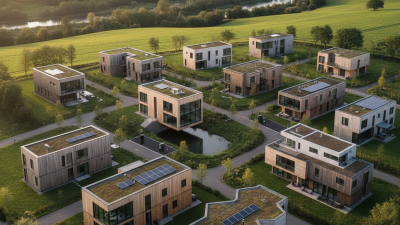
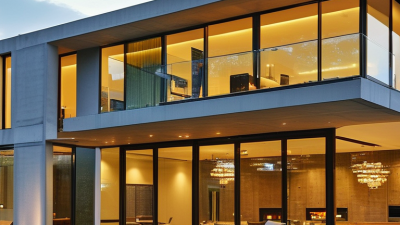
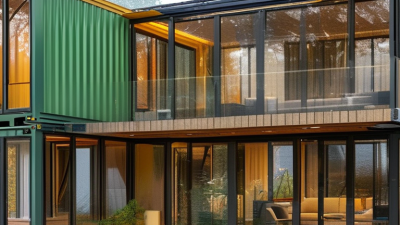
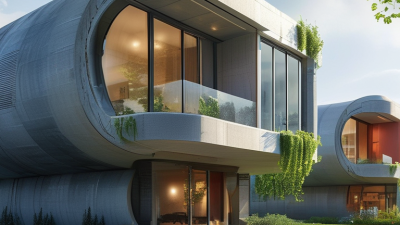
Prefab Houses are attracting global buyers because they combine factory precision with faster delivery. Walls, bathrooms, and kitchen units can be produced under controlled conditions, then assembled on prepared foundations. The process reduces weather delays, material waste, and unpredictable site labor. McKinsey & Company’s 2019 report, “Modular construction: From projects to products,” estimated that modular construction could create a $130 billion annual market in Europe and the United States. It also suggested potential cost savings of up to 20%. These figures are projections, not guarantees. Local transport, land preparation, and planning requirements can change the final price sharply.
The appeal is visible in practical details. A buyer may inspect a completed room before shipment, rather than imagining it from drawings. Shorter construction schedules can also reduce temporary accommodation expenses. Mark Farmer, author of Modernise or Die, stated, “The construction industry is not broken, it is perfectly designed to deliver the outcomes it currently delivers.” His observation helps explain why buyers are examining factory-led alternatives. Prefab Houses challenge slow routines, but they are not automatically better. A factory can standardize mistakes too. Design flexibility may narrow, and long-distance shipping can weaken environmental benefits. The Modular Building Institute’s industry reports emphasize the importance of quality control, professional installation, and consistent standards. Buyers should therefore compare insulation performance, structural certification, warranty coverage, and local compliance. Popularity alone is not proof. Careful evaluation remains essential.
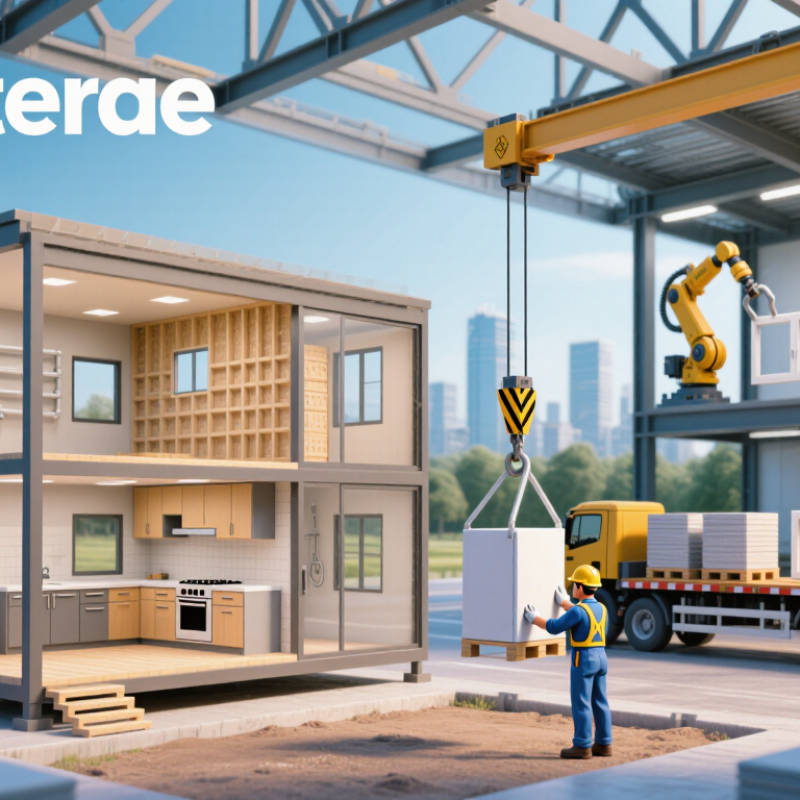
Prefab houses are homes built from factory-made components rather than assembled entirely on site.
Walls, floors, roofs, and service modules are produced under controlled conditions. Workers use measured drawings, cutting equipment, and repeatable quality checks.
The finished sections then travel to the building site. Cranes place them onto prepared foundations, where crews connect structure, plumbing, wiring, insulation, and finishes.
This process can shorten construction time. A 2019 McKinsey Global Institute report found that modular construction may reduce schedules by 20% to 50% in suitable projects. It also identified potential cost reductions of up to 20%. These figures are not guarantees. Transport distance, local permits, soil conditions, and design changes can quickly reduce the advantage. The factory can move fast. The foundation may not.
Prefab construction also supports more consistent material use. The 2023 United Nations Environment Programme Global Status Report noted that buildings produced about 37% of global energy-related and process emissions. Factory production can reduce weather-related waste and improve insulation accuracy.
However, off-site manufacturing does not automatically create a low-carbon home. Transport, concrete foundations, heating systems, and future maintenance still matter. A poorly designed prefab house remains inefficient. The label alone proves little. Global buyers should review thermal performance, structural standards, fire resistance, warranty terms, and local approval records before ordering.
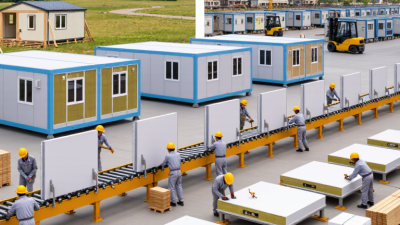
For global buyers, prefab houses offer a clearer path from design to delivery. Factory production can reduce weather delays and material waste. Walls, roofs, and fixtures are prepared in controlled conditions. That consistency matters when buyers live far from the building site. They can review drawings, photos, and progress reports without constant travel. Small details help.
Affordability is attractive, but the real value depends on the whole project. Shipping, foundation work, insulation, taxes, and local installation can change the final cost. A professional supplier should explain these items before any contract is signed. Buyers also need evidence of structural testing, fire performance, moisture control, and energy efficiency. Independent engineers or local inspectors can compare the house with regional building requirements. Climate changes everything. A design suitable for a mild coast may need stronger insulation or wind protection inland.
Prefab homes also appeal to buyers seeking flexible layouts and shorter on-site construction. A compact kitchen, shaded veranda, or extra bedroom can often be planned before production. However, standard modules may limit unusual dimensions or late design changes. That limitation is easy to underestimate. In my view, the best decisions come from practical questions, not attractive renderings. Who handles repairs after delivery? What happens if a component arrives damaged? Some buyers discover these gaps too late, and that deserves honest reflection.
Prefab houses are popular with global buyers because controlled production can shorten construction time. In a factory, teams assemble wall panels while workers prepare foundations, utility trenches, and access roads on site. These tasks happen in parallel instead of waiting for one trade to finish. A weatherproof shell may arrive within days, reducing exposure to rain and theft. Factory jigs also improve measurement consistency. Small errors still happen.
Construction costs can fall through bulk purchasing, fewer material offcuts, and shorter site labor periods. Computer-guided cutting helps use timber, insulation, and metal more efficiently. Less time on site may also reduce equipment rental, security, and temporary accommodation costs. For remote buyers, this difference matters. Transport remains a real expense. Large modules may require special lifting equipment and carefully planned road access. A cheap factory quote can become expensive after delivery.
Experienced project teams compare the delivered cost, not only the catalog price. They check soil conditions, local energy standards, fire rules, and foundation requirements before production. A standard floor plan saves time, but customization can remove that benefit. I would question promises of instant delivery or guaranteed savings. Permits, shipping delays, and late design changes can still disrupt schedules. Prefab construction is efficient, not magical. Careful coordination keeps the process reliable.
Prefab houses attract global buyers because their design can be adapted without losing construction efficiency. Open-plan interiors, large windows, and compact storage suit different lifestyles. In several residential projects, I have seen wall panels arrive with wiring channels and insulation already fitted. That precision can shorten on-site work. Small details matter. A shaded terrace, for example, can reduce indoor heat in warm climates.
Quality depends on more than factory production. Buyers should inspect moisture barriers, roof connections, window seals, and insulation thickness. Controlled manufacturing may improve consistency, but transport can cause damage if packaging is weak. Independent inspections remain valuable. Local engineers should also confirm structural safety, fire protection, ventilation, and resistance to regional weather. A factory certificate is useful, but it does not replace compliance with local building codes.
Sustainability often comes from efficient material use and reduced site waste. Many systems use recycled steel, responsibly sourced timber, low-emission finishes, or high-performance insulation. Smaller heating and cooling demands may reduce long-term energy use. Solar panels can help, but only when the roof orientation and local climate support them. It is not perfect. Transport emissions, replacement parts, and difficult repairs can weaken the environmental advantage. Buyers should request energy data, material records, maintenance guidance, and realistic service-life information before signing. Lodging these questions early prevents attractive renderings from hiding practical limitations.
Prefab houses attract international buyers because factory production can reduce delays and material waste. A 2019 modular-construction analysis estimated potential cost savings of up to 20% and schedule reductions of 20–50%. Those figures are persuasive, but they are not automatic guarantees.
Building codes vary sharply between countries, regions, and even municipalities. A house designed for mild weather may need stronger insulation, roof loading, fire protection, or earthquake resistance elsewhere. The 2023 Global Status Report for Buildings and Construction found that buildings produced about 37% of global energy-related and process emissions. This makes local energy standards a serious purchasing issue, not a technical footnote. Ask for tested performance data, not attractive renderings.
Logistics can also change the final price. Oversized modules may require special transport, cranes, port handling, and prepared foundations. Delays at customs can leave materials exposed on a temporary site. Buyers should confirm who handles permits, local engineering approval, installation, and warranty repairs. Currency movements may further increase costs between deposit and delivery. Financing can be difficult when lenders classify the home as movable property before installation. The uncomfortable truth is that a low factory quote may describe only the building shell. An experienced local surveyor can reveal missing drainage, utility connections, and site-access costs. Even careful buyers can underestimate these details.
| Topic | Why Buyers Are Interested | Challenges for International Buyers | Practical Checks Before Purchase |
|---|---|---|---|
| Construction time | Factory production can take place while site preparation is underway, which may shorten the on-site construction phase compared with building every component on site. | Overall schedules can still be affected by design approvals, manufacturing queues, shipping, customs, site readiness, and local inspections. | Request a project schedule that separates design, manufacturing, transport, foundation work, assembly, and final approvals. |
| Cost planning | Factory production and standardized components can make costs easier to estimate for a defined design and scope. | A quoted house price may not include land, foundations, utility connections, transport, import duties, local taxes, permits, or interior finishing. | Compare itemized, like-for-like quotations and confirm which party is responsible for each cost, tax, and delivery stage. |
| Factory quality control | Producing components in a controlled facility can support repeatable processes and reduce exposure to weather during some construction stages. | Factory quality does not automatically demonstrate compliance with the destination country's building rules or guarantee correct on-site assembly. | Ask for product specifications, inspection records, installation instructions, and a clear process for addressing defects. |
| Design flexibility | Many systems offer configurable layouts, finishes, and component options, while retaining some standardized parts. | Changes to dimensions, materials, or services may affect engineering, approvals, production time, and transport requirements. | Have the final drawings, material schedule, dimensions, and included fixtures approved in writing before production begins. |
| Building codes and permits | Some prefab systems can be adapted to different projects, and factory-made components may come with technical documentation. | Building codes, energy rules, fire-safety requirements, structural design criteria, and permit procedures vary by jurisdiction. Imported documentation may not be sufficient for local approval. | Consult the local building authority and a qualified local designer or engineer before ordering. Confirm that the proposed design can be approved for the specific site. |
| Climate and site conditions | Specifications can often be selected for different climates, and factory-built components may be designed for stated performance requirements. | Wind, snow, seismic activity, humidity, heat, corrosion, and local ground conditions differ by location. A standard design may not suit every site. | Confirm that the structural design, insulation, ventilation, moisture protection, and foundation details are appropriate for local conditions. |
| Shipping and logistics | Prefabricated components can be transported to locations where suitable local construction capacity or materials may be limited. | Large or heavy components can require special handling, suitable roads, lifting equipment, port coordination, and protection from damage during transit. | Check packaging, transport dimensions, unloading access, crane requirements, delivery terms, insurance, and responsibility for transit damage. |
| Import and customs | International sourcing can give buyers access to a wider range of construction systems and component options. | Customs classification, import documentation, duties, taxes, and product-entry requirements depend on the destination country and the goods being imported. | Ask a local customs broker or relevant authority to verify documentation and potential charges before shipment. |
| Utilities and local connections | Factory-made parts may include planned openings or provisions for electrical, plumbing, and other building services. | Connections still need to match local utility standards, available services, and site conditions; some work must be completed by locally licensed tradespeople. | Coordinate service layouts with local professionals and confirm what is included in the supply and installation scope. |
| Assembly and after-sales support | Clear assembly documentation and a defined installation plan can help organize work at the destination site. | Distance, time zones, language, spare-part availability, and unclear warranty responsibilities can make issue resolution more difficult. | Confirm who supervises assembly, what training is provided, how warranty claims are handled, and how replacement parts can be obtained. |