Building Faster | Smarter | Greener

Leave Your Message

Top 10 Best Prefabricated Houses for Global Buyers?

The rise of Prefabricated Houses is reshaping the housing market. According to a recent industry report, the global prefabricated homes market is projected to reach USD 191 billion by 2025, with a CAGR of 6.3%. This shift is driven by a demand for sustainable, affordable housing solutions. More buyers seek quicker construction times and reduced waste.

Prefabricated Houses offer compelling benefits, but challenges remain. Not all manufacturers ensure quality or compliance with local regulations. Choosing the right company is crucial. Buyers must consider design options, thermal efficiency, and material choice. Experts emphasize that research is vital in navigating this sector.

As the market expands, staying informed is essential. Trends indicate a growing preference for customizable prefabs among millennials and environmentally conscious buyers. While the advantages are significant, potential pitfalls must be addressed carefully to make informed decisions.
Top 10 Best Prefabricated Houses for Global Buyers?

Overview of Prefabricated Houses: Definition and Benefits

Prefabricated houses are a modern solution for various housing needs. These homes are crafted in a factory and transported to the site. This method allows for quicker construction and consistent quality. Prefabrication reduces waste and environmental impact. This is crucial in today's eco-conscious world.

Buyers find prefabricated houses appealing due to their affordability. The cost of traditional building can be overwhelming. Prefabricated homes often cost less without sacrificing quality. Many designs are customizable, providing personal touches. However, some may feel limited by the available options.

In addition to speed and cost, the versatility is striking. Prefabricated houses can fit into diverse environments. They can be built in rugged terrains or urban landscapes. Yet, not every area supports prefabrication. Local regulations can pose challenges for buyers, which requires research. Understanding these factors is essential before making a decision.

Factors to Consider When Choosing a Prefabricated Home

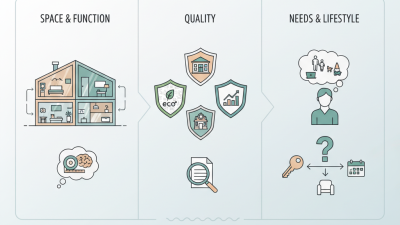
Choosing a prefabricated home is an important decision. There are several factors to consider before making a choice. Budget is a primary concern. Prices can vary widely, so determine how much you are willing to spend. It’s crucial to consider long-term costs, including maintenance and utilities.

Space is another key factor. Assess your family's needs. Think about the number of bedrooms and bathrooms required. Don’t forget outdoor space. A small backyard might still be important for children or pets. Make sure the layout suits your lifestyle, including open versus closed spaces.

Tips: Research materials used in construction. Different materials offer different durability and energy efficiency. Look for reputable builders. Have a clear contract to avoid surprises. Understand the timeline for delivery and assembly. If you’re not satisfied with the answers, seek another option.

Carefully reviewing the location of your prefabricated home is essential. Accessibility to public services can greatly impact your quality of life. Check local zoning laws and permits. Consider future developments in the area. If not examined properly, it may affect your home’s value. Always be realistic about expectations. Prefabricated homes vary in style and finish, yet not every option will resonate with your vision.

Top 10 Prefabricated Houses for Global Buyers: An Overview

Prefabricated houses offer an intriguing solution for modern living. They are designed to save time and resources while providing comfort. These homes are built in factories and then transported to their final location. This method ensures quality control and reduces waste. With evolving technology, many prefabricated houses now boast sustainable materials and energy-efficient designs.

When choosing a prefabricated house, buyers should consider various factors. The local climate can impact construction materials and styles. For instance, homes in warmer areas may focus on ventilation. Conversely, colder regions may require better insulation. Additionally, clients should think about their budget and the space needed. A well-planned layout can maximize functionality and comfort.

Despite their benefits, prefabricated homes are not for everyone. Some people may prefer traditional construction due to perceived value and personalization. While prefabricated houses can be customizable, there might be limitations. This trade-off can pose challenges for potential buyers. Therefore, careful research and planning are essential before making a decision.
Key Features of Each Selected Prefabricated House

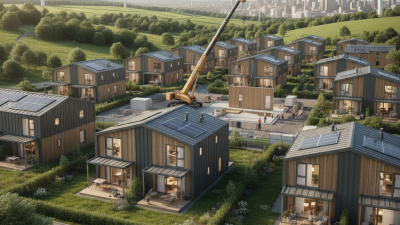
Prefabricated houses are gaining popularity worldwide. They offer quick assembly and energy efficiency. According to recent industry reports, the market for prefabricated homes is expected to grow by over 30% in the next five years. This growth highlights their appeal to buyers seeking cost-effective solutions.

One key feature of many prefabricated houses is their customizable design. Potential owners can often tailor layouts to suit their needs. Additionally, many models incorporate sustainable materials. For example, homes made from recycled steel and wood help reduce environmental impact. The average price for these homes can vary significantly, typically ranging from $50,000 to over $200,000, depending on size and features.

Despite their advantages, there are challenges to consider. Some prefabricated houses may struggle with local building codes. This can lead to delays and additional costs. Moreover, the quality of materials can vary, impacting durability. Buyers must conduct thorough research to find reliable options. Engaging with experts and reviewing certifications can help ensure informed decisions.

Top 10 Best Prefabricated Houses: Key Features Comparison

Comparative Analysis of Pricing and Sustainability in Prefabricated Homes

Prefabricated houses are gaining popularity among global buyers. They're often seen as a solution to high costs and sustainability issues. The initial price of these homes varies widely. Some models are designed with high-efficiency materials, which can lead to better long-term savings. Yet, buyers sometimes overlook the true cost of maintenance.

Sustainability plays a crucial role in the choice of prefabricated homes. Eco-friendly materials are a strong selling point. They reduce the environmental footprint significantly. However, not all prefabricated options prioritize sustainability. Some homes may use cheaper materials, raising concerns. It's essential for potential buyers to research before making a decision.

Design flexibility is another aspect of prefabricated homes. Many buyers appreciate customizable options. This allows them to create a home that fits their needs. Yet, customization often comes with added costs, which can surprise buyers later. Balancing between budget, sustainability, and design can be challenging. A deep understanding is necessary for making informed choices.

Top 10 Best Prefabricated Houses for Global Buyers

Model Price (USD) Size (sq ft) Sustainability Rating Build Time (Weeks)
Model A $80,000 1,000 4.5/5 16
Model B $120,000 1,500 5/5 20
Model C $95,000 1,200 4/5 18
Model D $110,000 1,400 4.8/5 22
Model E $70,000 900 3.5/5 14
Model F $130,000 1,800 5/5 25
Model G $85,000 1,050 4.2/5 19
Model H $90,000 1,100 4.6/5 17
Model I $140,000 2,000 4.9/5 30
Model J $115,000 1,650 4.7/5 23