2026 Top Multiple Container House Designs For Global Buyers?
In recent years, the popularity of the Multiple Container House has surged. These innovative structures offer versatile solutions for modern living. As global buyers seek affordable housing options, architects have embraced container designs that blend aesthetic beauty with functionality.
The 2026 designs promise to inspire those captivated by minimalism and sustainable living. Each Multiple Container House reflects unique styles and adaptive reuse of materials, making them not just homes, but statements of eco-consciousness. However, not all designs can meet every need. Buyers must consider factors like climate, local regulations, and site conditions.
Choosing the right design requires careful thought. While many options may seem perfect at first glance, practical challenges often arise. The balance between style and usability is crucial. Understanding these dynamics will help buyers make informed decisions when exploring Multiple Container House options.
Innovative Design Trends in Container Homes for 2026
Container homes are gaining traction as a sustainable living option. A recent report from the Container Housing Association highlights that 30% of new housing projects are experimenting with this design. These homes offer flexibility and affordability, making them attractive to a wide array of buyers. They serve as a solution in urban areas where space is limited.
Innovative design trends for 2026 focus on eco-friendly materials and smart technology integration. Many homes now feature solar panels and energy-efficient appliances. Studies show that these developments can reduce energy consumption by up to 40%. The appeal lies in their reduced environmental footprint and cost savings.
However, challenges remain. Not all container homes are built to withstand extreme weather conditions. Ventilation issues can arise if not properly addressed. Buyers must be cautious and consider these factors when choosing designs. Many architects are now emphasizing comprehensive assessments to ensure long-term durability. As the industry evolves, potential buyers must weigh aesthetic desires against practical needs.
Aesthetic Features of Top Container House Designs in 2026
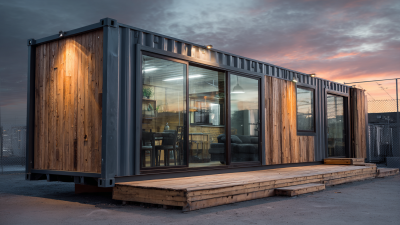
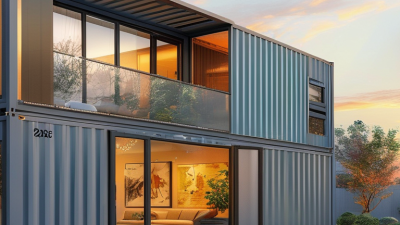
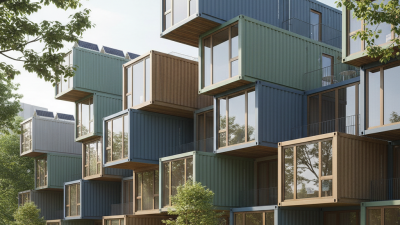
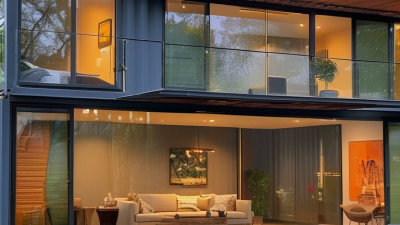
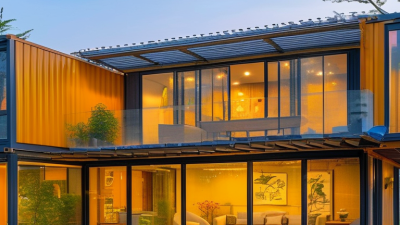
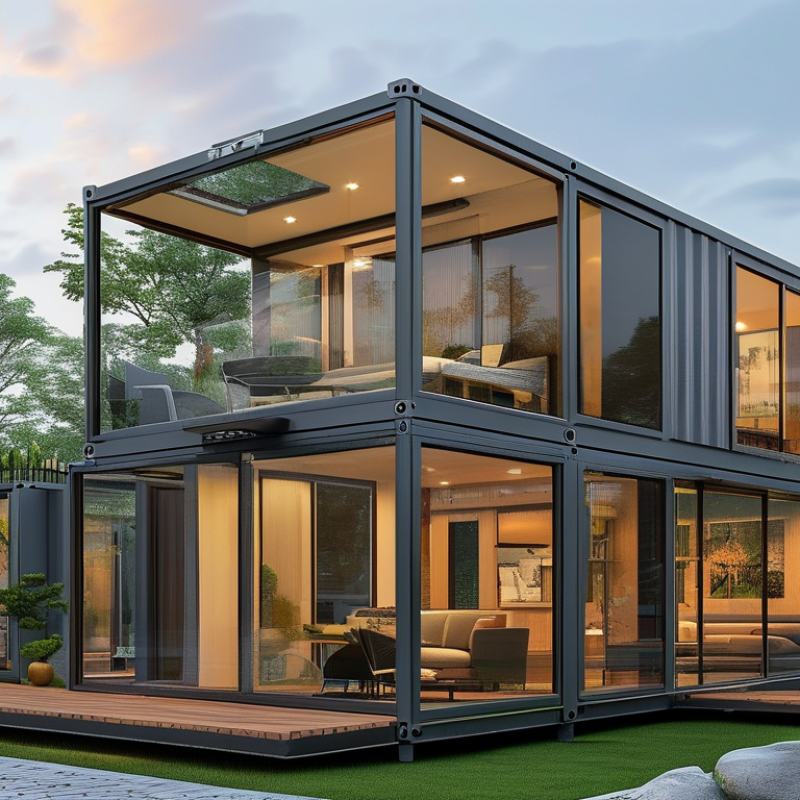
Container houses have gained popularity due to their versatility and eco-friendliness. In 2026, design features reflect modern aesthetics while prioritizing functionality. Sleek lines and minimalist structures dominate the landscape. Large windows provide natural light, enhancing the living space's openness. Vibrant colors often contrast with the steel exterior, creating visual interest.
Designers focus on sustainable materials and energy-efficient solutions. Green roofs and solar panels are common, showcasing a commitment to the environment. Yet, some designs fall short in practicality. For example, excessive use of glass can lead to overheating in hot climates. Room layouts may also be awkward, limiting usability.
Many container homes embrace outdoor living, integrating patios and gardens. These spaces foster connections with nature. However, not all designs account for weather variations, impacting comfort. Ultimately, while top container house designs in 2026 embody creativity, they also present challenges that warrant careful consideration.
Sustainable Materials and Technologies in 2026 Container Homes
As container homes gain popularity, sustainable materials and technologies play a crucial role. In 2026, many designs will focus on eco-friendly solutions. Using recycled steel, reclaimed wood, and renewable resources can significantly reduce the carbon footprint. These materials not only lower environmental impact but also offer unique aesthetics.
Tips: Consider the insulation type. Proper insulation can enhance energy efficiency. Using materials like sheep wool or recycled denim is effective. They provide warmth without harming the environment.
Innovative technologies are also shaping the future of container homes. Solar panels, rainwater collection systems, and smart home features are becoming standard. These elements can improve energy independence and reduce utility costs. However, integrating technology can be challenging. The learning curve may require adjustments to daily living.
Tips: Research local regulations. Some areas have strict guidelines for container homes. Being informed can save time and prevent potential issues. Proper planning is essential for success.
2026 Top Multiple Container House Designs: Sustainable Materials Usage
This chart illustrates the percentage usage of various sustainable materials in container house designs for 2026. As more buyers opt for eco-friendly solutions, materials like wood and steel are leading the way in sustainable construction.
Global Market Insights for Container Houses in 2026
The demand for container houses continues to grow worldwide. In 2026, buyers are looking for innovative designs that reflect sustainability and efficiency. Container houses are praised for their versatility. They adapt well to various environments, appealing to eco-conscious consumers. Many designs now prioritize natural lighting, open spaces, and energy-efficient materials. These factors increase the overall appeal to global buyers.
However, challenges exist in this evolving market. There is often an initial skepticism about the durability and safety of container homes. Misconceptions can hinder buyers from exploring this housing option. Companies must educate consumers about building codes and insulation standards. Providing clear information boosts trust in container house designs. Furthermore, customization remains a key issue. Buyers desire unique solutions tailored to their lifestyle. Designers must balance creativity with practical functionality to meet diverse needs.
In an increasingly competitive market, continuous innovation is essential. Designs need to address not just aesthetic values but also environmental concerns. Investing in research can help improve materials and construction techniques. A focus on the local climate and surroundings will enhance sustainability. As the container home market develops, addressing these issues will help it flourish.
2026 Top Multiple Container House Designs For Global Buyers
| Design Style |
Size (sq ft) |
Number of Containers |
Target Market |
Estimated Cost ($) |
| Modern Minimalist |
900 |
2 |
Young Professionals |
45,000 |
| Rustic Retreat |
1200 |
3 |
Families |
60,000 |
| Urban Loft |
800 |
2 |
Single Adults |
40,000 |
| Eco-Friendly |
1500 |
4 |
Environmentally Conscious Buyers |
75,000 |
| Creative Studio |
600 |
1 |
Artists and Creatives |
30,000 |
Future Predictions for Container Housing Developments Beyond 2026
The future of container housing appears promising, particularly with predictions suggesting significant growth beyond 2026. Industry reports indicate a projected increase of 30% in container housing demand over the next decade. Urbanization trends and the need for affordable housing drive this growth. Cities face challenges in providing sufficient living spaces. Container homes offer a swift solution. They can be built in just a few months, compared to traditional homes.
Sustainability will continue to be a key focus in the development of container housing. According to recent studies, 75% of buyers prioritize eco-friendly materials and designs. Features like solar panels and rainwater collection systems will become standard. While container homes bring advantages, they also raise concerns. Issues such as insulation and structural integrity must be addressed to ensure long-term viability. As the market evolves, innovative solutions will be essential.
Cross-industry collaboration will play a crucial role in shaping container housing. Architects, engineers, and environmentalists need to work together. This creates designs that are both aesthetically appealing and functionally sound. Reports from housing forums emphasize the need for flexible designs that cater to various lifestyles. While container housing shows potential, continuous improvement and adaptation are necessary to meet future needs.