Building Faster | Smarter | Greener

Leave Your Message
China’s prefabricated housing sector is expanding, but choosing a manufacturer takes more than comparing attractive renderings. The Ministry of Housing and Urban-Rural Development reported that China started about 630 million square meters of prefabricated buildings in 2022, representing roughly 26.2% of newly started construction area. This national figure covers multiple building types, not just houses. Still, it shows the scale of industrialized construction in China.
For buyers, Prefabricated Houses can mean modular cabins, steel-frame homes, container-based buildings, or larger panelized systems. These products differ in insulation, fire performance, structural design, and installation requirements. A supplier’s catalogue alone cannot show how its buildings perform on a real site. Factory capacity, quality-control procedures, documented project experience, and clear delivery scope all deserve close review. Ask to see technical specifications, sample details, and completed projects—not only polished photographs.
This guide introduces leading Chinese manufacturers and the practical factors behind a fair comparison. It considers product range, customization, export experience, production capability, and after-sales support. These are useful indicators, not guarantees of quality. A large factory can still be a poor fit for a small project. And published company claims may be difficult to verify independently. Treat rankings as a starting point, then confirm certifications, references, and project-specific requirements directly with each supplier.
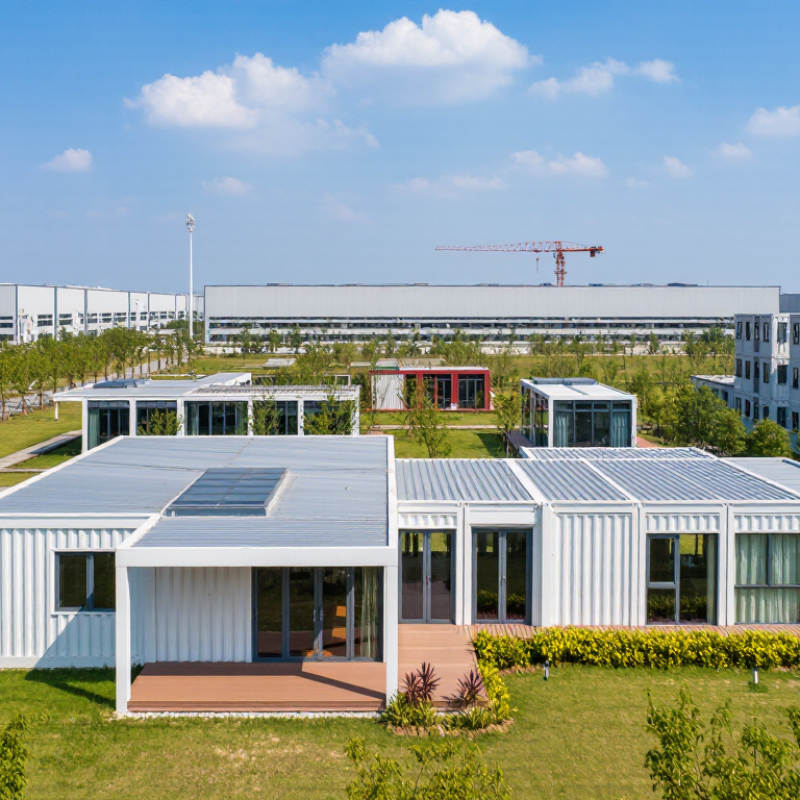
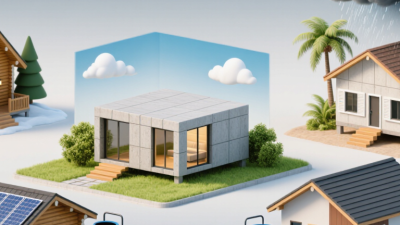
Prefabricated houses made in China range from compact panelized cabins to full modular homes. Light-steel villas use cold-formed steel frames, with wall and roof panels assembled on site. They suit permanent homes when insulation, ventilation, and foundation details are designed for local weather. A steel frame alone does not guarantee comfort.
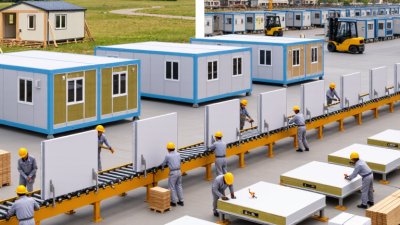
Container-style units arrive as transportable modules, often with doors, windows, and interior finishes already fitted. They can work for temporary accommodation or small offices, but dimensions and transport access limit layouts. Sandwich-panel buildings use insulated panels fixed to a frame. Check the panel core, joint seals, and fire-performance documents rather than judging by appearance. Expandable homes fold or slide outward after delivery, adding usable floor area. Their moving sections need careful sealing and maintenance. Details matter.
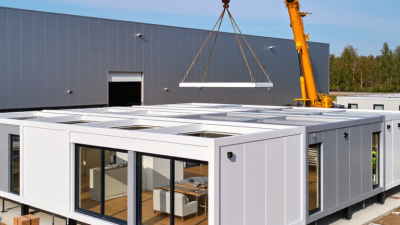
Suppliers may also offer flat-pack systems, where components ship separately and are assembled at the destination. This can ease transport, though it requires skilled installation and clear drawings. Before choosing a type, compare structural calculations, material specifications, insulation values, and installation support. Ask how the design handles local wind, rain, and temperature swings. A tidy rendering can hide awkward service routes or weak joints; reviewing sample details is worthwhile. No single format fits every site.
Overview of common prefabricated building types manufactured in China. Actual designs, materials, performance, and availability vary by project, supplier, and local building requirements.
| Prefabricated house type | Typical structure and materials | Common applications | Key considerations |
|---|---|---|---|
| Light-gauge steel modular house | Factory-cut, cold-formed steel framing with wall, floor, and roof panels assembled on site or delivered as modules. | Small homes, site accommodation, classrooms, and low-rise buildings. | Check structural design for local wind, snow, and seismic loads; insulation and corrosion protection depend on the specification. |
| Steel-frame modular house | Welded or bolted structural steel frames combined with factory-fitted floors, walls, and service components. | Worker housing, offices, accommodation blocks, and other buildings requiring larger clear spaces. | Transport dimensions, lifting arrangements, fire protection, and connection details need to be planned early. |
| Precast concrete house | Factory-cast concrete wall, floor, or façade elements transported to the site and joined together. | Residential projects, apartments, and buildings where repeatable components are suitable. | Heavy components require suitable transport, lifting equipment, foundations, and carefully designed joints. |
| Sandwich-panel modular house | Panelized walls and roofs made with metal facings and an insulated core; panels are fitted to a supporting frame. | Temporary accommodation, site offices, guardhouses, and utility buildings. | Confirm insulation performance, fire classification, weather sealing, and suitability for the intended occupancy. |
| Container-based modular house | Steel module or container-style frame adapted with doors, windows, insulation, interior finishes, and building services. | Portable offices, temporary housing, kiosks, and multi-module facilities. | A container-like appearance does not guarantee compliance as a dwelling; verify structural, thermal, fire, and plumbing requirements. |
| Timber-frame prefabricated house | Factory-made timber wall, floor, or roof panels, often combined with insulation, membranes, and exterior cladding. | Detached homes, cabins, holiday accommodation, and low-rise construction. | Moisture management, timber treatment, fire design, and compliance with the destination market’s codes are important. |
| Foldable or expandable modular house | Transportable steel-framed units designed to fold or expand at the site, with panels and services fitted to the chosen model. | Temporary accommodation, emergency facilities, and locations where compact transport is useful. | Verify deployed dimensions, anchoring, connection details, insulation, and the number of permitted reuse or relocation cycles. |