2026 Top Container Living Trends for Global Buyers?
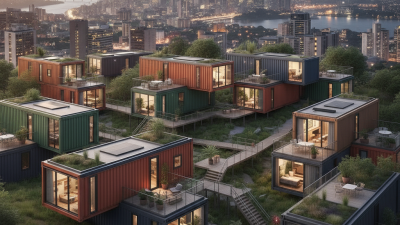
As urbanization continues to reshape living spaces, Container Living is gaining traction among global buyers. These innovative dwellings offer an eco-friendly alternative to traditional homes. They stand out for their affordability, flexibility, and unique designs. The rise of Container Living reflects a shift in lifestyle preferences, particularly among younger generations seeking sustainable options.
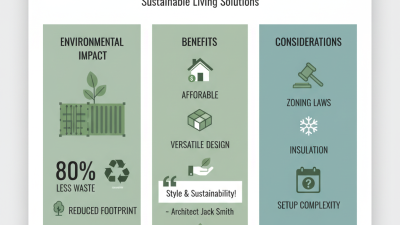
In 2026, several trends are emerging within the Container Living sector. Minimalist designs emphasize functionality while maximizing space. Additionally, integration of smart technology enhances the living experience, making these homes more efficient. However, challenges remain. Not all regions have embraced the concept, and zoning laws can pose hurdles.
Exploring these trends enables buyers to make informed decisions. The Container Living ethos promotes creativity and adaptability. Yet, potential homeowners must weigh the pros and cons before diving in. This year promises to be a turning point for Container Living, pushing boundaries and challenging conventional housing norms.
Emerging Preferences in Container Living for 2026
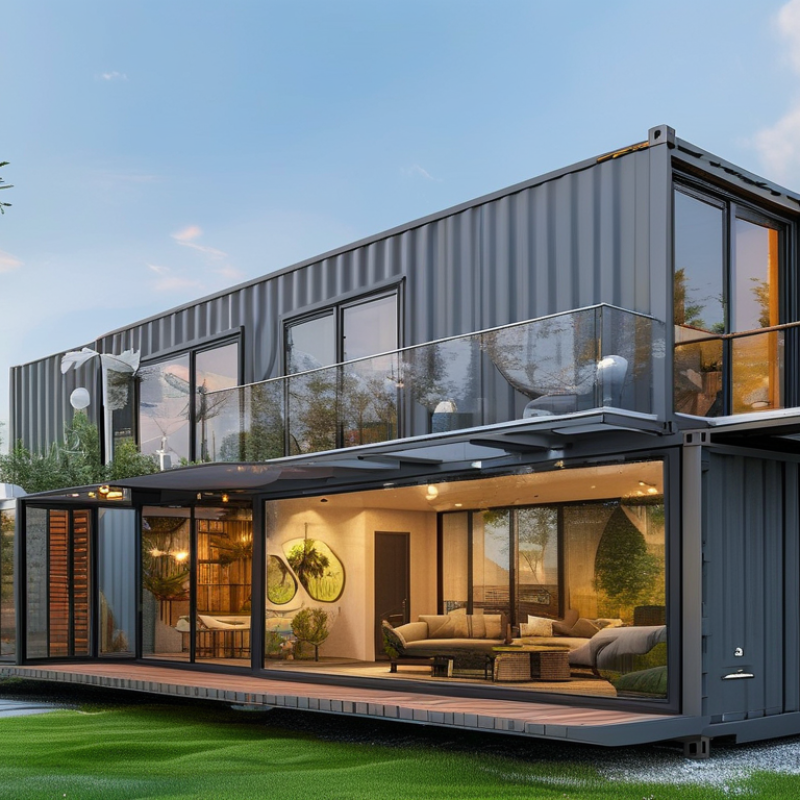
As the world shifts towards sustainable living, container homes are gaining traction among eco-conscious buyers. In 2026, the trend will highlight minimalism and smart technology integration. Buyers now prefer smaller spaces, which reduce environmental footprints while offering streamlined living. This trend emphasizes functionality over size, promoting efficient use of materials and energy.
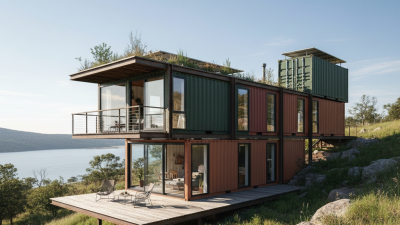
Amid these preferences, the aesthetics of container homes are evolving. Natural materials, such as wood and stone, are becoming popular for interiors. Large windows invite natural light, creating a sense of openness. However, not all designs meet these emerging tastes. Some containers still struggle with insulation and aesthetics. Buyers are seeking homes that are both resource-efficient and visually appealing.
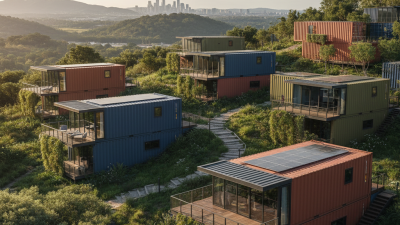
There is a growing interest in community-oriented living. Many buyers want shared spaces that foster connections. However, realizing this vision can be challenging. Balancing personal space with communal areas often leads to conflicts. Design solutions could emerge, but the balance remains a topic of discussion. The future of container living will likely involve adapting to these social dynamics as preferences continue to evolve.
Sustainable Practices in Container Home Designs
Sustainable practices in container home designs are increasingly becoming a priority for many buyers. Using recycled materials is one way to promote sustainability. For instance, repurposed shipping containers minimize waste while offering a robust structure. This kind of architecture not only reduces the carbon footprint but also caters to modern aesthetics.
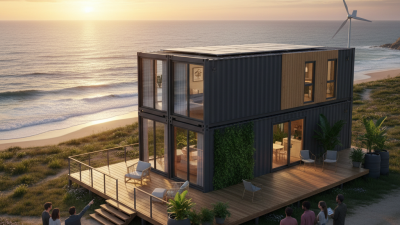
Another trend is energy efficiency. Many designs feature solar panels. These systems can drastically cut energy costs. Smart technologies also gain traction, allowing homeowners to monitor and control energy use effectively. However, the initial investment can be substantial, posing a challenge for some buyers.
Water conservation is also essential. Rainwater harvesting systems can be integrated into the design. This approach may require careful planning and consistent maintenance. Additionally, urban planners should consider the environmental impact of installations. Sustainable container homes show promise, yet ongoing reflection on practices is crucial. It's vital to balance innovation with practicality in the search for greener living solutions.
Innovative Technologies Shaping Container Living Solutions
Innovative technologies are revolutionizing container living solutions. These advancements make living in containers more practical and appealing. Smart home systems integrate seamlessly with container homes. Residents can control lighting, heating, and security with a smartphone. This level of convenience is attractive to many buyers.
Sustainable materials are at the forefront of container living. Builders are opting for recycled materials, reducing waste. Solar panels and green roofs are common features in modern designs. Such features lower energy costs and promote eco-friendliness. However, sourcing sustainable materials can present challenges, especially in certain regions.
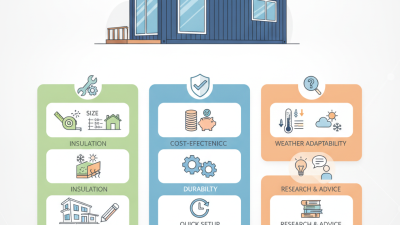
While technology enhances container living, there are limitations to consider. Limited space can restrict storage options and layouts. Residents must balance functionality with comfort. As trends evolve, it is essential to reflect on how these innovations serve long-term living needs. Embracing these technologies can lead to creative solutions, but flexibility is key for future adaptations.
2026 Top Container Living Trends for Global Buyers
| Trend |
Description |
Adoption Rate (%) |
Region of Popularity |
| Sustainable Materials |
Use of recycled and eco-friendly materials in container homes. |
75% |
North America, Europe |
| Smart Home Features |
Integration of IoT technology for better resource management. |
65% |
Asia, North America |
| Modular Design |
Flexibility to add or remove sections based on needs. |
80% |
Worldwide |
| Energy Efficiency |
Incorporation of solar panels and energy-saving appliances. |
70% |
Europe, Australia |
| Customizable Interiors |
Options for personalized layouts and interior designs. |
60% |
North America, Asia |
Global Market Trends Influencing Container Housing Demand
The demand for container housing is shaped by several global market trends. One significant factor is the growing awareness of sustainability. According to a report by the International Energy Agency, sustainable building practices can reduce energy consumption by up to 40%. Container homes, made from repurposed materials, align with this goal, appealing to eco-conscious buyers.
Urbanization also drives container housing demand. Cities worldwide are facing housing shortages. The United Nations predicts that by 2050, 68% of the global population will reside in urban areas. This rapid urban migration increases the need for flexible and affordable housing solutions. Container homes provide a rapid deployment option, filling gaps in housing availability.
Economic factors further influence buyer behavior. As home prices rise, many people look for alternatives. A study by the National Association of Realtors found that 54% of millennials prioritize affordability when choosing housing. Container homes offer a unique solution with lower construction costs, attracting a younger demographic seeking financial viability. However, the perception of container housing as temporary or unconventional may hinder its acceptance in mainstream markets. Addressing these perceptions is crucial for broader adoption.
Diverse Aesthetic Trends in Container Living Spaces for 2026
Container living is gaining traction in 2026. Diverse aesthetics are shaping these unique spaces. Sustainability is a driving force behind design choices. According to the latest industry report, 73% of consumers value eco-friendly materials. Natural textures, such as wood and bamboo, are favored. They bring warmth to metal structures.
Color palettes are also evolving. Earthy tones dominate, creating a calming atmosphere. Reports show a 65% interest in green and terracotta shades. Minimalist styles are combined with bohemian elements. This fusion results in inviting and functional spaces.
However, challenges remain. Space constraints can lead to overcrowded designs. Buyers must balance aesthetics and functionality. A staggering 55% of container homes struggle with insulation issues. Addressing these matters is crucial for long-term satisfaction. The beauty of container living lies in its adaptability and potential for creativity.