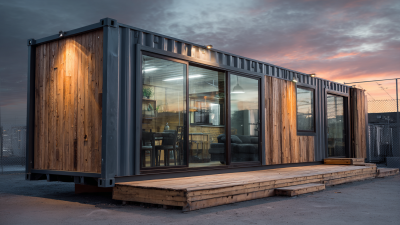
Best Multiple Container House Options for Global Buyers?
The rise of the "Multiple Container House" market is transforming global housing solutions. According to a recent report by IBISWorld, the industry has seen a growth rate of 5.3% annually, reflecting increased demand for affordable and sustainable living options. Experts highlight the versatility of these homes, which can effectively address both urban and rural housing shortages.
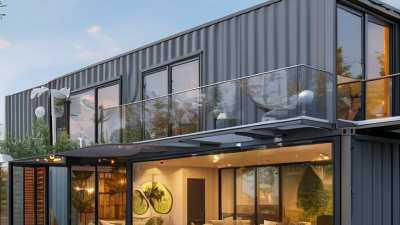
John Morgan, a leading architect specializing in container homes, notes, “The Multiple Container House concept provides innovative solutions for modern living.” This innovative housing style caters to environmentally conscious consumers seeking sustainable alternatives. With advancements in design and construction, these homes can now rival traditional houses in functionality and aesthetics.
However, challenges remain. Some potential buyers express concerns about insulation and long-term durability. Others worry about local regulations impacting construction. As the demand grows, it becomes essential to address these issues thoughtfully. The Multiple Container House industry must continually evolve to meet buyer expectations while ensuring compliance with local laws and standards.
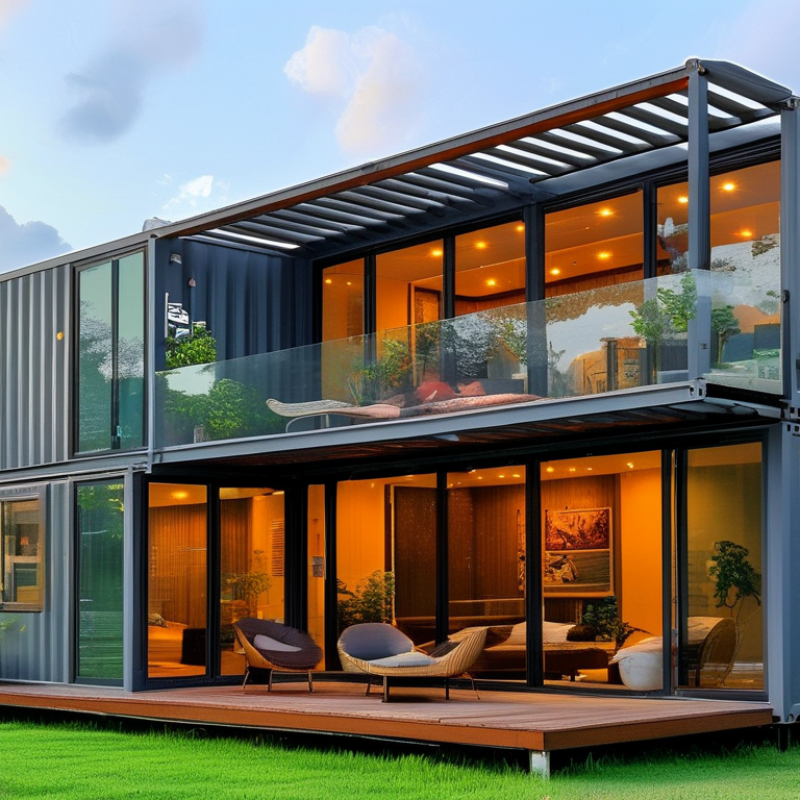
Best Container House Options for Global Buyers: Market Overview
The market for multiple container houses is gaining traction globally. These structures offer a unique blend of affordability, sustainability, and customization. Buyers appreciate their versatile nature. They can be transformed from simple dwellings to elaborate multi-functional spaces. This flexibility attracts a wide variety of global customers.
Many buyers are interested in the environmental benefits. Container houses can significantly reduce waste compared to traditional construction methods. Moreover, they often use sustainable materials. However, the insulation and temperature control can sometimes be challenging. Prospective buyers must consider these factors during their decision-making process.
Professional builders often emphasize the importance of proper design. Achieving the perfect layout is essential for maximizing space. Buyers should be aware that not all containers are equally suitable. Researching materials and construction techniques is crucial. This will ensure the best outcome for any project.
Best Multiple Container House Options for Global Buyers
Advantages of Multiple Container Homes in Sustainable Living
Container homes are gaining attention for their innovative approach to sustainable living. Multiple container homes offer unique advantages for environmentally conscious buyers. These homes use recycled materials, reducing waste and promoting sustainability. They are often designed to maximize energy efficiency, allowing homeowners to minimize their carbon footprint. Each container can be modified to create functional living spaces. This modular design allows for creativity and adaptability.
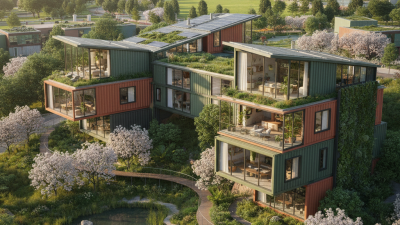
When considering a multiple container home, focus on location. Position your home to take advantage of natural light and wind patterns. This can enhance energy efficiency and comfort. Incorporating green roofs or vertical gardens can further contribute to sustainability.
It's essential to reflect on the challenges. Container homes require careful planning and professional advice. They may not meet traditional zoning laws, leading to potential obstacles. Buyers should research local regulations thoroughly. Involving experienced builders can help address structural concerns and ensure compliance with safety standards.
Key Features of Popular Container House Models Worldwide
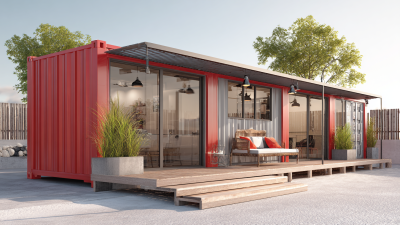
When exploring container house models, various key features stand out globally. Versatility is one of them. Many designs can be customized to fit different needs. For example, some containers can be stacked for additional stories. Others can be transformed into unique shapes. This flexibility attracts many buyers.
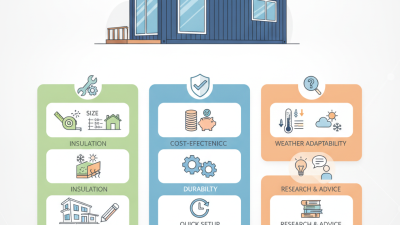
Sustainability is another important aspect. Container houses often use recycled materials. This reduces environmental impact while providing efficient living solutions. Insulation options are crucial here. Proper insulation keeps homes comfortable year-round. Yet, not all models offer the same effectiveness. Some may require additional upgrades, raising costs.
Cost-effectiveness is appealing. Many container houses are cheaper than traditional homes. However, hidden expenses can arise. Buyers should account for foundations, permits, and utilities. Not all sellers provide transparent pricing, which might lead to surprises. While container houses present exciting options, careful planning is essential.
Cost Analysis: Investment Insights for Container Home Buyers
When considering a container home, understanding costs is crucial. Multiple container homes can provide significant savings when compared to traditional construction. However, initial investments can still be high. Land acquisition, permits, and installation fees all add up. These aspects can vary greatly by region. Buyers should conduct comprehensive research before starting.
Additionally, hidden costs often arise. Renovation and insulation might be necessary for comfort. There could also be unexpected expenses, such as utility connections or site preparation. It’s essential to set aside a budget for contingencies. Many underestimate the long-term costs of maintenance and repairs. This could affect overall satisfaction.
Investing in container homes requires careful planning. Buyers must weigh the benefits against potential pitfalls. Professional advice can help navigate this complex landscape. It’s vital to gather insights from experienced individuals in the field. Understanding local regulations can prevent future issues. Balancing cost and quality will lead to a more informed decision.
Future Trends in Container Housing Market and Buyer Preferences
The container housing market is evolving rapidly, reflecting diverse buyer preferences. More people are seeking sustainable living options. This trend is driven by climate awareness and a desire for cost-effective solutions. Buyers appreciate the flexibility that container homes offer. They can be adapted for different climates and purposes. Customization options are also appealing. Buyers want unique designs that reflect their lifestyles.
Future trends indicate a shift towards modular designs. These functionally planned structures can reduce construction time significantly. Efficient space utilization is crucial for many buyers. Architects are focusing on maximizing livable areas. Incorporating green technologies is becoming standard. Solar panels and rainwater harvesting systems are increasingly popular. Yet, these innovations can complicate the design process. Balancing aesthetics with sustainability proves challenging.
Buyers often struggle with material choices. Ensuring durability while maintaining design integrity is complex. Moreover, some people may feel overwhelmed by the options available. The market's rapid expansion means finding the right fit is vital. Consumers need to consider local regulations and logistical aspects. Recognition of potential issues can inform better decisions. Overall, the container housing market is promising, but it requires thoughtful engagement.