How to Choose the Best Iso Container House for Your Needs?
Choosing the right Iso Container House can seem overwhelming. With many options available, it's essential to consider various factors. These containers are gaining popularity for their sustainable building practices. They are efficient, versatile, and cost-effective. However, not all are suited to your specific needs.
Begin by evaluating the intended use of your Iso Container House. Will it serve as a permanent residence, a temporary office, or a vacation retreat? Each purpose requires different features and layouts. It's crucial to reflect on your lifestyle and preferences.
Additionally, consider the climate of your area. Insulation, ventilation, and exterior finishes impact comfort. Not all containers are created equal. Some may not provide the durability and insulation you expect. Researching your options and understanding the limitations of certain designs can save time and resources. Take your time in this process to make an informed decision.

Understanding Iso Container Houses and Their Benefits
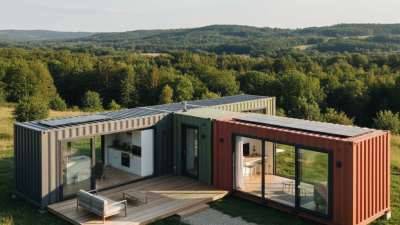
Iso container houses have gained popularity as a practical housing solution. They offer various benefits that are appealing to many buyers. These container homes are durable and weather-resistant. They can withstand harsh conditions. This makes them a good choice for diverse climates.
One notable advantage is their eco-friendliness. Many container houses are made from recycled materials. This feature helps reduce environmental impact. Additionally, they are often energy-efficient. Many designs incorporate sustainable energy solutions, such as solar panels. This can lower utility costs over time, making them more affordable in the long term.
Tips for selecting an Iso container house:
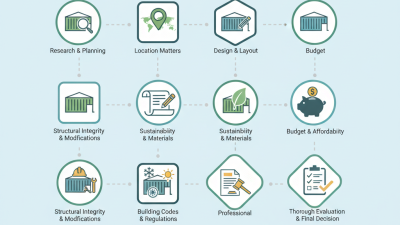
Consider the space you need. Determine the number of rooms and layout that suits your lifestyle. Think about your location carefully. Some areas might have zoning laws affecting container homes. Ensure you research the local regulations before making a decision. Always ask for detailed plans and materials used. Transparency is key in choosing the right option.
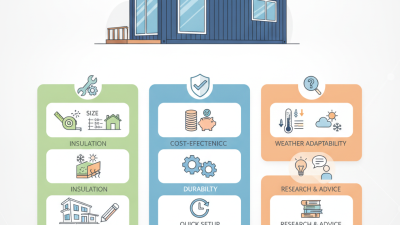
Comparison of Iso Container House Benefits
Key Factors to Consider When Choosing an Iso Container House
When selecting an ISO container house, several key factors are essential to ensure it meets your requirements. One significant consideration is insulation. Research shows that well-insulated containers can reduce energy costs by up to 30%. An effective insulation system will maintain comfortable temperatures in various climates, making it vital for your long-term comfort.
Another factor to ponder is size and layout. ISO containers come in different dimensions, typically 20ft or 40ft. Assessing your space needs is crucial. A report by the Container Housing Alliance indicates that many homeowners prefer multifunctional layouts for efficiency. Think about how you intend to use the space. Will it serve as a home office, guest quarters, or a family space? Mapping out your needs beforehand saves time and money.
Tips: Always inspect a sample before committing. Check the container's structural integrity. Consider the resale value as well. Containers can depreciate, depending on market demand. Evaluate potential resale strategies before purchasing. Reflect on potential challenges, such as local regulations or zoning laws, which can complicate installations. Consider your long-term goals and adaptability needs as your situation changes.
Evaluating Size and Layout Options for Your Iso Container House
When considering an Iso container house, size and layout are crucial. Assess your needs first. How many people will occupy the space? Are you looking to use it as a home, a workshop, or perhaps even a vacation retreat? Defining the purpose helps narrow down your options considerably.
Next, think about the layout. Open space can feel more inviting but may require careful planning to create functional areas. You might want a kitchen, a living space, and bedrooms. Consider how much privacy you want. Walls can provide solitude, but they can limit the feeling of openness.
Don't overlook the size either. A smaller container can be cozy but might feel cramped for larger families. On the other hand, larger containers can offer versatility. Be mindful that increased size often leads to higher costs and more complex logistics. Reflect on what works best for your lifestyle and location. This choice is not just about space; it’s about creating a home that you will love and enjoy.
Assessing Insulation and Energy Efficiency Features
When selecting an iso container house, insulation and energy efficiency are crucial. Studies show that proper insulation can reduce energy consumption by up to 30%. An iso container’s design inherently provides some level of thermal mass, but additional insulation layers can significantly enhance energy efficiency. A well-insulated container house maintains a stable indoor temperature, reducing the need for heating or cooling.
Assessing insulation options involves looking at R-values. The higher the R-value, the better the material’s resistance to heat flow. For example, spray foam insulation offers R-values ranging from 6.5 to 7 per inch. Traditional fiberglass insulation, on the other hand, has an R-value of around 3.5 to 4.2 per inch. These differences can impact not only comfort but also energy bills over time.
Energy efficiency features are also essential. Energy-efficient windows can further reduce heating and cooling costs. A well-placed awning or shade can minimize excessive heat gain. It's worth mentioning that some innovations may initially appear costly. However, investing in these features often results in significant long-term savings. While researching options, be aware of local climate conditions and energy requirements to make informed decisions.
How to Choose the Best Iso Container House for Your Needs? - Assessing Insulation and Energy Efficiency Features
| Feature |
Description |
Energy Efficiency Rating |
Insulation Material |
| Wall Insulation Thickness |
The thickness of the insulation used in walls to prevent heat loss |
R-Value: 15 |
Polyurethane Foam |
| Roof Insulation |
Type of insulation in the roof to reduce energy consumption |
R-Value: 20 |
Fiberglass |
| Window Type |
Energy-efficient windows with low emissivity coating |
U-Value: 1.0 |
Double-Glazed |
| Floor Insulation |
Insulation under floors to minimize heating costs |
R-Value: 13 |
Spray Foam |
| Air Tightness |
Sealing methods to prevent air leaks |
ACH: 0.5 |
Sealed Joints |
Exploring Customization Possibilities for Your Iso Container House
When considering an Iso container house, customization plays a crucial role in meeting individual needs. Many individuals desire a home that is not only functional but also reflective of their personal style. According to industry reports, nearly 70% of potential buyers prioritize customization options when looking for container homes. This trend shows that flexibility in design is becoming increasingly important.
Customization options can range from interior layouts to exterior finishes. For example, adding large windows can increase natural light and enhance interior aesthetics. Some owners choose to modify the structure for better insulation and sustainability. A report from the Container Housing Association highlights that homes with customized insulation see a 15% decrease in energy costs over traditional homes. However, customization can also lead to challenges. Homeowners may find it difficult to balance budget constraints with their desired features.
Moreover, the need for unique functionalities has led to innovative designs within the industry. Some designers offer modular units that can adapt to various climates. Functionality must intertwine with aesthetics. Yet, not all customization efforts yield favorable outcomes. There are instances where poorly executed designs result in inefficiencies or structural issues. It's essential for prospective homeowners to reflect on the potential pitfalls of customization, ensuring that each choice contributes positively to their living experience.