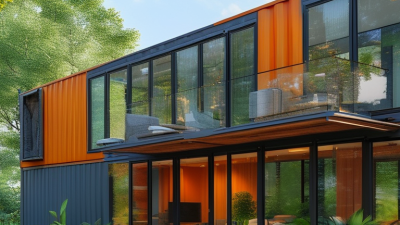
Top Multiple Container House Trends for 2026 Are You Ready?
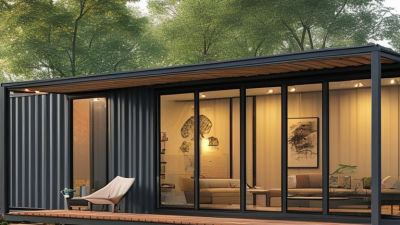
As the demand for sustainable living spaces grows, the "Multiple Container House" industry is evolving rapidly. Expert architect Sarah Nguyen states, "Innovative designs are transforming how we view container homes." This shift is noticeable as we approach 2026, a year poised for exciting developments in this sector.
The use of multiple shipping containers offers a solution to traditional housing challenges. With their modular nature, these containers provide adaptability and efficiency in living spaces. Many modern designs emphasize eco-friendly materials and construction methods. However, challenges remain. The structural integrity of stacked containers often raises concerns among builders and homeowners.
A focus on aesthetics is emerging, blending functionality with style. However, some designs neglect practical aspects in pursuit of artistic flair. This tension between innovation and practicality will define future trends. As we envision the future of "Multiple Container House" living, it's crucial to balance creativity with reliability. The path ahead may be uncertain, but the potential for transformative living experiences is undeniable.
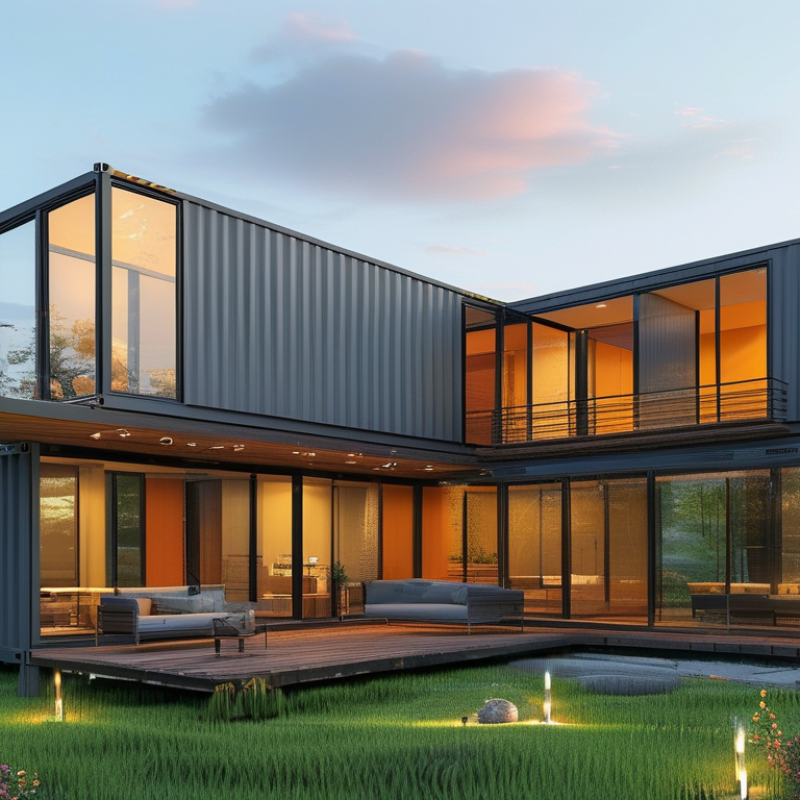
Emerging Design Innovations in Container Homes for 2026
As we look toward 2026, container homes are evolving into innovative living spaces that reflect modern values. Emerging trends highlight the use of sustainable materials and energy-efficient designs. For example, solar panels are becoming standard in many container homes. Their integration not only reduces energy costs but also promotes a greener lifestyle.
Another noteworthy trend is the emphasis on multifunctional spaces. Designers are creating layouts that adapt to various needs, featuring movable walls and flexible furniture. These innovations cater to the growing demand for smart living solutions. However, not all designs are perfect. Some homeowners find it challenging to balance style with practicality. Aesthetic choices can sometimes compromise functionality, leading to cramped spaces or limited storage.
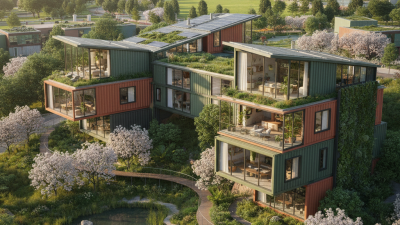
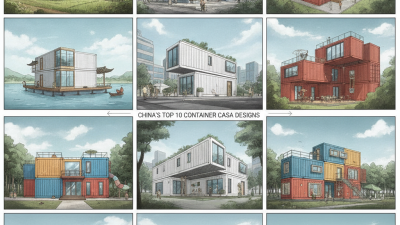
In addition, the trend of vertical living is gaining traction. Stacking containers opens up possibilities for terraced gardens and shared community areas. This approach can enhance social interactions among residents. Yet, ideas like these also raise questions about privacy and noise levels. The future of container homes lies in finding harmony between innovation, space, and community needs. These reflections encourage deeper thinking about what we desire in our living environments.
Sustainable Practices Driving Container House Popularity
The rise of container houses is closely linked to sustainable practices. As people become more aware of environmental issues, they seek innovative housing solutions. Container houses are made from repurposed shipping containers. This recycling process minimizes waste, which appeals to eco-conscious buyers. These homes often require fewer resources to build and maintain.
Design flexibility is another contributing factor. Container houses can be customized to fit various needs and preferences. Simple modifications can transform a standard container into a beautiful home. Many are designed to have natural lighting and energy-efficient systems. This approach not only enhances comfort but also reduces energy consumption.
Yet, there are challenges. The initial cost can be high, and some find the living space limited. There may also be zoning regulations that complicate installation. Buyers must navigate these issues, which can be overwhelming. Still, the potential benefits draw many toward this growing trend. Sustainable housing is not just a fad; it's a necessary evolution in how we think about living spaces.
Top Multiple Container House Trends for 2026
Technological Advancements Shaping Container Living Spaces
Container living spaces are evolving rapidly, driven by technological advancements. Smart home technology is becoming commonplace in container houses. Residents can control lighting, heating, and security systems through their smartphones. This creates a convenient and energy-efficient living environment. However, integrating these technologies can be challenging. Not all systems work together seamlessly, leading to potential frustrations.
Sustainable materials are another trend shaping container homes. Innovative insulation options improve energy efficiency and comfort. Moreover, solar panels are increasingly being integrated into design. They provide renewable energy, reducing overall costs. Yet, some designs may overlook aesthetic appeal in favor of functionality. This can result in spaces that feel more utilitarian than inviting.
Container houses are also being designed with adaptivity in mind. Spaces can be reconfigured easily to serve different purposes. This adaptability is appealing, especially for families or remote workers. However, the focus on flexibility may compromise stability in some structures. Builders must carefully balance these factors to create homes that are both practical and comfortable.
Customization Options for Personalized Container Home Designs
Container homes are transforming the housing landscape. Customization options are endless. Many homeowners are seeking unique designs that reflect personal taste. A report by the Container Home Association indicates that nearly 70% of new container home projects include significant customization features. This trend emphasizes individuality in design.
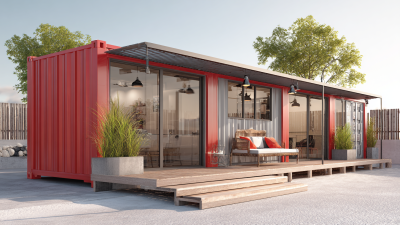
Designers are focusing on both aesthetics and functionality. Features like sliding glass doors, large windows, and open floor plans are becoming popular. According to a study by the National Association of Home Builders, about 65% of potential homeowners desire customizable spaces that fit their lifestyles. Eco-friendly materials are also in demand, as sustainability becomes a priority. Many look for options that minimize environmental impact.
However, custom homes come with their challenges. Budget constraints and zoning regulations can limit options. Some find their vision is stifled by local codes. Regular consultation with professionals ensures compliance while maximizing creativity. Ultimately, balancing personal desires with practical realities is key in the evolving world of container home design.
Top Multiple Container House Trends for 2026
| Trend |
Description |
Customization Options |
Sustainability Features |
| Modular Design |
Flexible layouts with interconnected units |
Interior partition customization |
Energy-efficient insulation |
| Eco-Friendly Materials |
Use of recycled and sustainable materials |
Choice of materials for floors and walls |
Rainwater harvesting systems |
| Smart Home Technology |
Integrating automation and smart systems |
Customizable smart devices installation |
Smart energy management systems |
| Outdoor Living Spaces |
Integration of patios or decks |
Custom deck designs and materials |
Solar panels for outdoor lighting |
| Minimalist Aesthetic |
Simple and functional design |
Personalized color schemes |
Low-waste building techniques |
Market Trends and Economic Factors Influencing Container Housing
The container housing market is evolving rapidly. Recent reports indicate that global demand for affordable housing is projected to grow at a CAGR of 16.5% from 2023 to 2026. This trend is largely driven by rising urbanization and a pressing need for sustainable living options. As city populations swell, traditional housing solutions are becoming increasingly insufficient.
Economic factors significantly shape the container housing landscape. The rising costs of construction materials and labor have prompted builders to explore alternative housing solutions. Container homes offer a cost-effective alternative, allowing for reduced construction times and lower overheads. However, market volatility and regulatory challenges remain concerns. A recent survey showed that nearly 30% of developers face hurdles due to zoning restrictions and building codes, highlighting the need for industry adaptability.
Consumer preferences are also shifting. There is a growing trend towards eco-friendly living, with around 40% of prospective homeowners indicating interest in sustainable materials. This shift suggests a larger market opportunity for container homes, particularly those that emphasize energy efficiency and minimal environmental impact. Despite these promising trends, some developers express skepticism. The challenge lies in balancing affordability with quality, ensuring that container homes do not compromise comfort for cost.